Why amazon categories are important
Like many writers who seek my help at A Powerful Story, Carol Marie Fisher had been trying to complete her book for several years. She felt compelled to write a book about raising her children, two of whom suffered from A.D.H.D. (Attention Deficit Hyperactive Disorder).Carol had collected stories of things like both of her sons jumping off the roof of the house, and her oldest disassembling his crib—while he was in it—with a plastic toy screwdriver, and more.
She had a pile of chapters written, but needed help with organizing the book’s flow, tightening up the writing, finishing the manuscript, and then, figuring out how to self-publish her book.
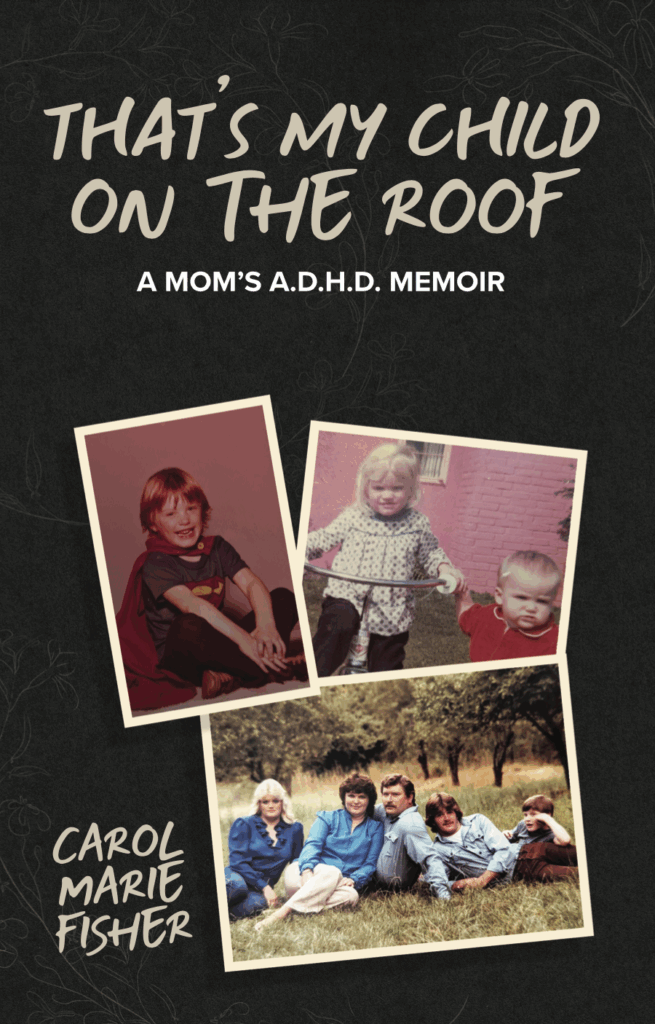
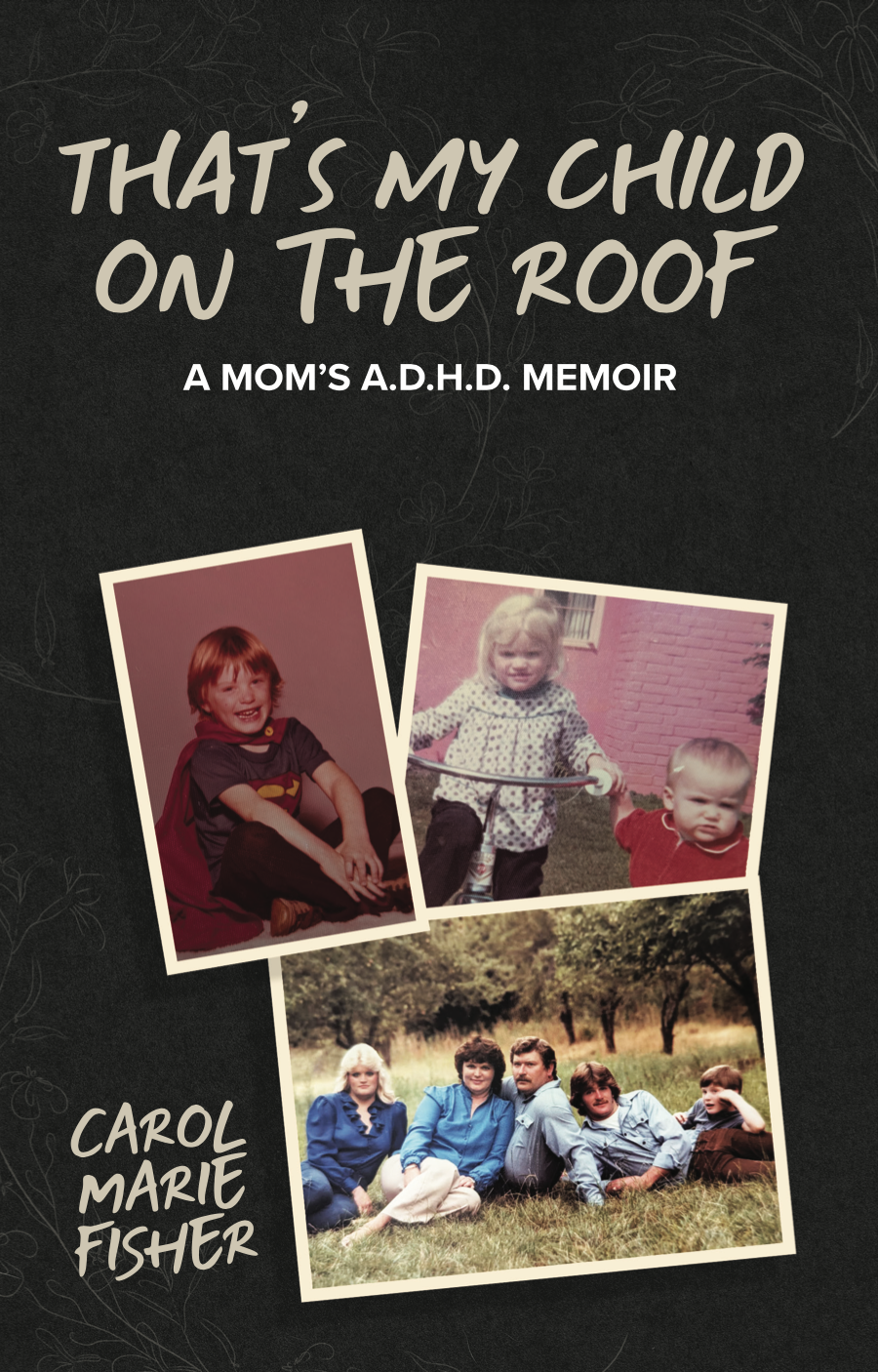
Carol’s book, That’s My Child on the Roof: A Mom’s A.D.H.D. Memoir, released this month on amazon. I came alongside Carol to help her on her self-publishing journey. We spent several months working together. I edited, reorganized, and formatted her book. My design team created an awesome cover and interior. I guided Carol through setting up her KDP.com account and uploading her book and cover. That’s My Child on the Roof released in both ebook and paperback last week.
Right out of the gate, Carol’s book topped the “New Releases” list for her category on amazon.
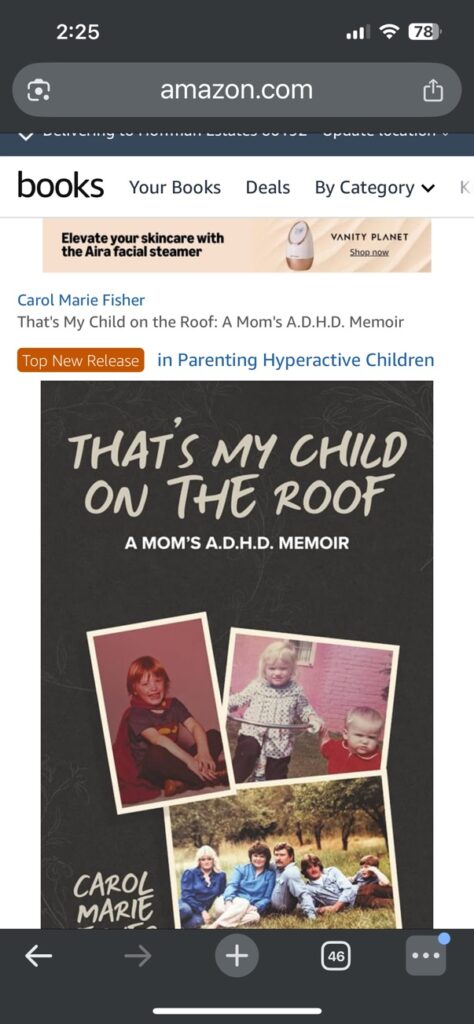
Carol’s success story is inspiring, and it also serves to illustrate the importance of selecting “categories” when you self-publish on amazon’s KindleDirectPublishing.com (KDP.com)
I stepped Carol through the process of setting up her “bookshelf” on KDP, helping her fill in all the information required. When you self-publish on the KDP platform, one of the many blanks you fill in is “categories.” Essentially, tagging your book with categories helps readers find you. For example, if your book has faith-based content, you’ll want at least one category to reflect that.
You can select up to three categories, and then subcategories within that. Categories can be broad (like “fiction”) or narrow (like Carol’s “Parenting Hyperactive Children”)
Amazon also generates lists of the top sellers in every category, of which there are literally thousands.
KDP’s website offers this advice for selecting categories:
- Research your genre: There are lots of subgenres within a genre. Take a look through Amazon’s website and other bookstores. See where similar books are categorized and determine if your book fits there. Tip: To research categories on Amazon, use the links in the Available Categories section below.
- Pick accurate categories: Choose a book category that describes your book. If you select categories that aren’t relevant, you’ll create a poor shopping experience for readers.
- Balance popularity and relevance: Aim for categories that are popular enough to have reader interest, but not so broad (or specific) that your book gets lost.
Let’s look a bit more at each of these tips for selecting Amazon categories.
Research your genre
This is good advice—because other books in your genre are your competition. Readers who enjoy competing titles might also read your book, or they might opt to buy your competitor’s book. This is why your title, subtitle, cover design and book description are so important. Readers literally do judge a book by its cover, as they quickly scroll past. By researching your genre, you can see what is topping the lists in various categories. You can also make sure that there is not another book in your genre with the same or a similar title. While there is no copyright on titles, you should try to have a unique title.
There are literally thousands of categories and subcategories. Which ones best fit your particular book? Which ones are your bestselling competitors in?
Researching your genre also means reading widely within your genre. See what books are popular, not so you can copy them, but so you know what resonates with the readers you hope to reach.
Pick accurate Amazon categories
Though the KDP site warns that you don’t want to “create a poor shopping experience” they take the accuracy thing more seriously than just that. If you pick irrelevant categories that don’t reflect your book’s content, KDP can take your book down. Some authors in the past tried putting their books into esoteric, oddball categories just to say that they were “number 1” but KDP got wise to that trick pretty quickly.
Also—as a writer, you want to build trust with your readers. You don’t want to tell them your book is about archeology when it’s actually an Amish romance. Pick categories that are specific and accurate. Make it easy for your readers to find you, and to trust you.
Balance popularity and relevance
That balance of popularity and relevance is tricky. For example, Carol’s book is a memoir, but there are a lot of books in that category. While you don’t want to put your book in the wrong category, you do want to be as specific as possible. We went for the more specific topics that her book is about, which is hyperactivity and parenting hyperactive kids. We also found a category under Christian books for non-fiction, parenting.
Earlier this summer, another self-publishing client also hit number one in “new releases” in her category. Bend without Breaking, by Mary Hunt Hauser, was about building resilience. It was a Christian Living title, woven with Mary’s memoir of surviving cancer multiple times. So yes, one category was Christian Living, but we also chose the category Breast Cancer because we knew her book would help those going through a diagnosis. (More on Mary’s success story is in this post, which also answers the question, what is assisted self-publishing?)
The categories you choose for your self-published book feed into amazon’s algorithm and help get your book in front of the right readers. When people browse for books, amazon will often recommend other books in the same category.
Amazon’s categories are a helpful tool. Although Amazon generates “bestseller” lists for each category, topping your category is not the same as having a “bestselling book.” Amazon’s internal lists are not the New York Times or U.S. Today bestseller lists.
But they are a helpful tool in marketing your book and getting it in front of interested readers. And that’s the goal of publishing—getting your book into the hands of readers who will actually read your book, find it helpful or inspiring, and tell others about it.
Wondering if self-publishing is right for you? Click the contact me button and let’s talk about it.